
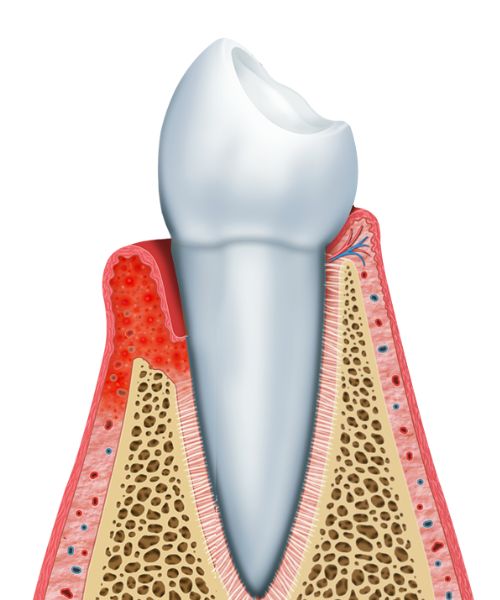
Periodontics is the dental specialty that focuses on the prevention, diagnosis, and treatment of diseases of the supporting structures of the teeth — mainly the gums, periodontal ligament, cementum, and alveolar bone. These tissues together are known as the periodontium.
A dentist specializing in this field is called a Periodontist.
🔹 Scope of Periodontics
-
Gum Disease Management
-
Gingivitis (inflammation of gums).
-
Periodontitis (destructive gum disease leading to bone loss).
-
Maintenance therapy after treatment.
-
-
Surgical Procedures
-
Flap surgery (to clean deep pockets).
-
Regenerative procedures (bone grafts, guided tissue regeneration).
-
Crown lengthening (reshaping gum and bone to expose more tooth).
-
-
Dental Implants
-
Placement of implants into the jawbone.
-
Bone grafts or sinus lifts when bone is insufficient.
-
-
Cosmetic Gum Treatments
-
Treating a “gummy smile” by reshaping gum lines.
-
Root coverage procedures for gum recession.
-
-
Systemic Links
-
Periodontists also consider the relationship between gum disease and systemic health (e.g., diabetes, cardiovascular disease).
-
🔹 Why Periodontics is Important
-
Healthy gums = foundation for healthy teeth.
-
Gum disease is the leading cause of tooth loss in adults.
-
Early detection and treatment can save both natural teeth and dental implants.
🔹 Difference from Other Specialties
-
Endodontics: treats the inside of the tooth (pulp/nerve).
-
Restorative Dentistry: restores damaged tooth structure (fillings, crowns).
-
Prosthodontics: replaces missing teeth (dentures, bridges, implants).
-
Periodontics: maintains and treats the supporting tissues (gums and bone) that hold teeth/implants in place.