
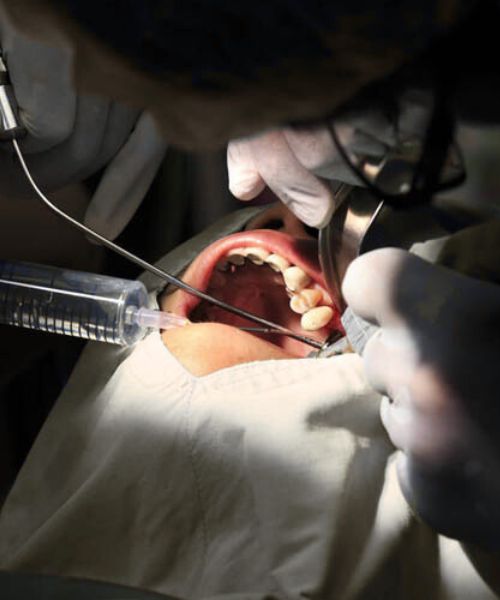
Oral surgery is a specialized branch of dentistry that focuses on the surgical diagnosis and treatment of diseases, injuries, and defects involving the mouth, jaws, face, and related structures. It bridges dentistry and medicine, and in many countries the specialty is formally called Oral and Maxillofacial Surgery (OMFS).
🔹 Scope of Oral Surgery
Oral surgeons (oral and maxillofacial surgeons) manage a wide range of conditions, including:
1. Tooth and Jaw-Related Surgery
-
Surgical removal of impacted teeth (e.g., wisdom teeth).
-
Complex extractions when simple removal is not possible.
-
Pre-prosthetic surgery (shaping jawbone/ridges for dentures).
-
Management of cysts and tumors of the jaws.
2. Dental Implants
-
Placement of implants into the jawbone.
-
Bone grafting or sinus lift procedures to support implants.
3. Trauma Surgery
-
Treatment of facial injuries (fractures of jawbones, cheekbones, orbital bones).
-
Repair of soft tissue injuries (lip, tongue, facial lacerations).
4. Corrective (Orthognathic) Surgery
-
Jaw realignment surgery for bite correction.
-
Treatment of congenital or developmental deformities (e.g., cleft lip/palate).
5. Pathology & Disease
-
Management of oral cancers.
-
Biopsies of suspicious oral lesions.
-
TMJ (temporomandibular joint) surgery for severe dysfunction.
6. Adjunct Medical Care
-
Surgical management of sleep apnea.
-
Reconstructive surgery after trauma or tumor removal.
🔹 Training
-
Oral surgeons undergo dental training plus additional years of surgical residency.
-
In many places, they are dual-qualified in both dentistry and medicine (especially in maxillofacial surgery).